
Precision Maintenance Skills Built Through the Local Community
Where Our Technical Foundation Began
AXION HUB did not begin with large commercial after-sales projects.
Before supporting international brands, we spent years providing maintenance services for local Leica user communities in Shanghai.
Although this work was not an official manufacturer service program, it required the same careful approach to precision equipment. Every camera was handled individually, and every adjustment demanded patience, consistency and technical accuracy.
Those early experiences became the starting point of our engineering standards.
Precision Equipment Requires Precision Skills
Working on mechanical cameras is very different from servicing ordinary consumer electronics.
Small alignment errors, tiny mechanical tolerances and delicate optical adjustments all require careful observation and stable hands.
Our engineers gradually developed practical skills in:
- Precision mechanical adjustment
- Optical inspection
- Fine assembly and disassembly
- Careful handling of delicate components
- Consistent repair procedures
These basic skills later became valuable when working on professional imaging equipment and other precision products.
Learning Service Quality Alongside Technical Skills
Technical ability alone is not enough to provide reliable after-sales service.
Through daily maintenance work, we also learned the importance of:
- Listening carefully to customer concerns
- Explaining repair work clearly
- Recording service history accurately
- Performing consistent quality checks
- Treating every product with responsibility
These principles continue to influence how AXION HUB designs its after-sales operations today.
Standardization Started in a Small Workshop
Our work was carried out in a small maintenance environment rather than a large service center.
Because resources were limited, every procedure had to be practical, repeatable and easy to follow.
We gradually documented working methods, inspection procedures and maintenance techniques so that they could be applied consistently rather than relying only on individual experience.
This early habit of standardization later became one of the foundations of our operational approach.
The Experience That Supported Everything That Followed
The projects that came later—including Terra Ring and the Profoto China After-sales Service Center—did not begin from zero.
They were built upon years of accumulated experience working with precision products, developing repair skills and improving service quality.
Rather than seeing each project as an isolated achievement, AXION HUB views them as continuous steps in building stronger operational capabilities.
That philosophy continues to guide how we improve our services today.
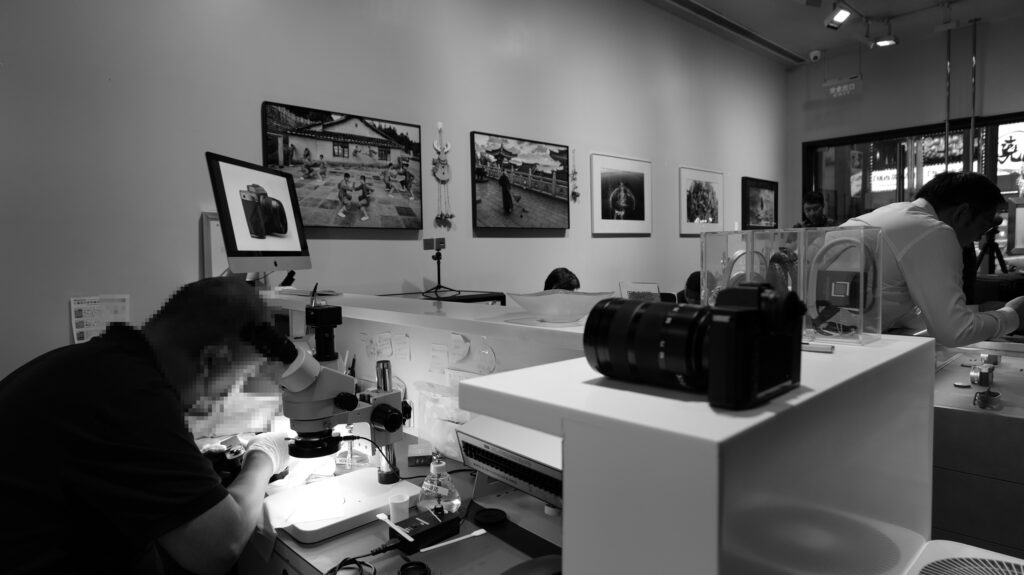
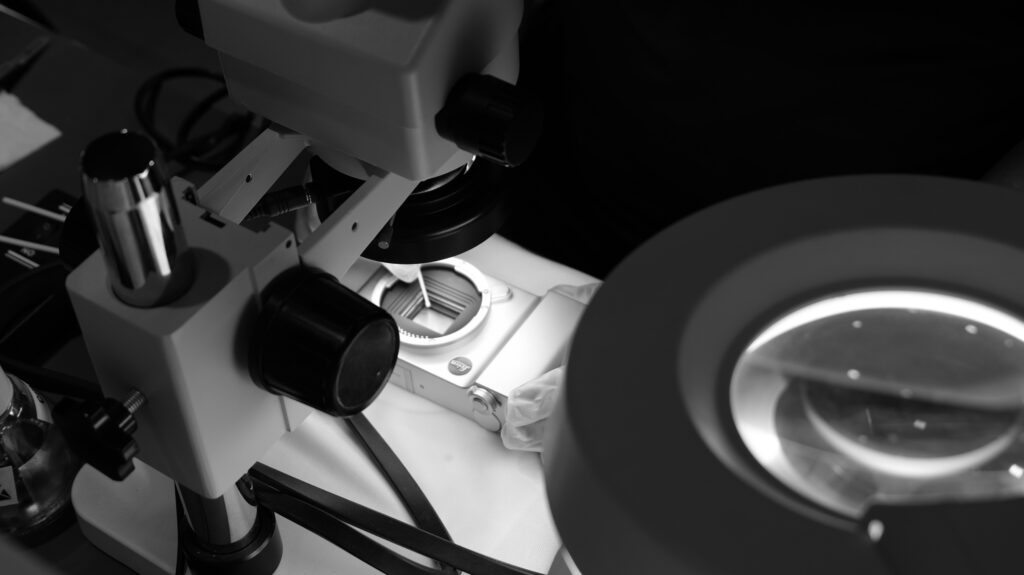
Above: Early maintenance work for local Leica user communities in Shanghai, where many of our precision maintenance techniques were developed.
Next Story
Previous Story